Alex is Sprintlaw's co-founder and a legal technology leader. He holds law and media degrees from the University of Sydney and has been recognized by Australasian Lawyer, Lawyers Weekly and the Sydney Young Entrepreneur Awards for his work building Sprintlaw and improving access to business legal support.
Contents
Yes, you can import products from overseas and sell them online in the US, but you need more than a good supplier and a shipping quote.
The bigger question is whether your business has clearly handled the legal and commercial risks: who is responsible for customs, what happens if products arrive defective, whether the goods can legally be sold in the US, and whether anyone else owns the brand, design or content you're using.
This doesn't have to be complicated. The goal is to put the right checks and contracts in place early, so you're not trying to fix a supplier dispute or product compliance issue after you've already paid for inventory.
Can You Legally Import Products To Sell Online?
Yes, in many cases you can legally import products to sell online, as long as the products comply with US customs, product safety, labeling, intellectual property and advertising rules.
At a federal level, US Customs and Border Protection handles customs entry, duties and import compliance. Depending on what you're selling, other agencies may also be involved, such as the Consumer Product Safety Commission, Food and Drug Administration, Federal Communications Commission, Department of Agriculture or Environmental Protection Agency.
For example, a plain ceramic mug will usually raise different issues from a skincare product, children's toy, electronic device or food supplement. The product category matters because it affects testing, labeling, documentation and sometimes whether the product can enter the US at all.
Your first legal checklist should cover:
- Product classification: the correct Harmonized Tariff Schedule of the United States code for customs purposes.
- Importer responsibility: who is the importer of record and who pays duties, tariffs, customs brokerage and other charges.
- Product compliance: whether federal rules apply to safety, testing, certification, packaging or labeling.
- IP clearance: whether the product, brand, packaging or images infringe someone else's trademark, copyright, design rights or trade dress.
- Sales terms: what you promise customers in your online store terms, including delivery, returns, warranties and product descriptions.
State law can also affect labeling, consumer protection, product liability and business registration requirements. You don't need to become an expert in every rule, but you do need to identify which rules apply to your product before you place a large order.
Who Is Responsible For Import Duties, Shipping And Customs?
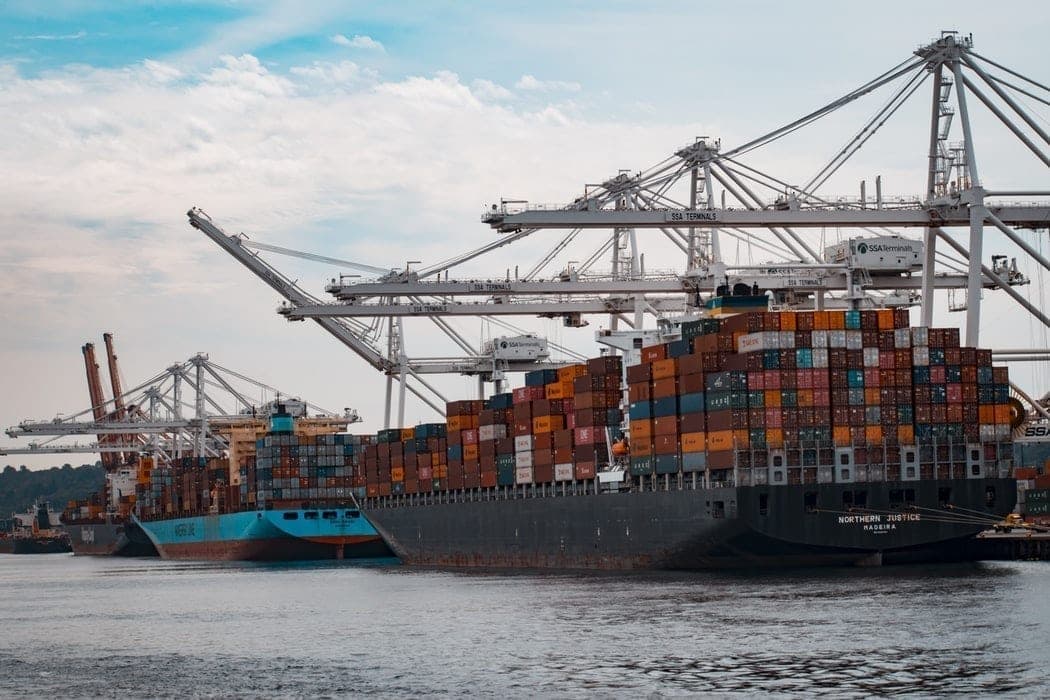
It depends on your contract, but if you're listed as the importer of record, your business is usually responsible for the customs entry, duties and import compliance.
This is one of the most common gaps in overseas sourcing arrangements. A supplier might say they'll ship the goods to you, but that doesn't always mean they'll handle customs correctly, pay duties, insure the goods or take responsibility if the shipment is delayed at the border.
Your supplier agreement should make the logistics position very clear. In particular, spell out:
- who books the freight forwarder or carrier
- who is the importer of record
- who pays customs duties, tariffs, brokerage fees, storage fees and inspections
- who bears the risk if goods are lost or damaged in transit
- when ownership passes from the supplier to your business
- what happens if customs detains, rejects or destroys goods
Many businesses use Incoterms, such as FOB, CIF, DAP or DDP, to describe delivery responsibilities. Incoterms can be very useful, but only if you understand what they mean and use the correct version. They don't automatically cover every issue in your deal, such as product compliance, payment disputes or liability for inaccurate paperwork.
In 2025 and 2026, tariffs, de minimis treatment and customs enforcement have been moving quickly for some product categories and countries of origin. Before relying on an old landed cost estimate, check the current position with your customs broker or freight adviser.
What Should Be In An International Supplier Agreement?
An international supplier agreement should set out exactly what you're buying, the required quality standard, delivery terms, payment terms and what happens if something goes wrong.
A purchase order and invoice can be enough for a very small test order, but they're often too thin for an ongoing ecommerce supply relationship. If you're relying on that supplier for your online store, the contract should protect your cash flow, stock levels and customer reputation.
Core Commercial Terms
Your agreement should cover the basics in plain, specific language:
- Product specifications: materials, dimensions, colors, components, packaging, barcodes, labeling and any approved samples.
- Price and payment: currency, deposit, balance payment, payment method and whether prices include packaging, freight or duties.
- Minimum order quantities: whether you're locked into recurring orders or can buy as needed.
- Lead times: production timelines, delivery dates and consequences for late delivery.
- Inspection rights: whether you can inspect goods before shipment or reject non-conforming products.
- Change control: whether the supplier can change materials, factories, designs or subcontractors without your written approval.
Supplier Warranties
Supplier warranties are promises your supplier gives about the goods. They matter because your customers will usually look to your business if the products are faulty, unsafe or not as described.
You may want warranties that the products:
- match the agreed specifications and approved samples
- are new, unused and free from defects
- comply with applicable US laws and standards for that product type
- are properly labeled and packaged for the US market
- don't infringe third-party intellectual property rights
- aren't subject to any liens, claims or restrictions that stop you from reselling them
Under the Uniform Commercial Code, which has been adopted in some form under state law, sales of goods can involve express and implied warranties. Your contract can adjust some of these rights and remedies, but the details can depend on state law and the exact wording used.
Indemnities And Remedies
An indemnity is a promise to cover certain losses if a particular problem occurs. For imported products, this can be especially important because your supplier may be overseas and harder to pursue if there's a dispute.
For example, you might ask the supplier to cover losses arising from:
- defective or unsafe products
- product recalls caused by supplier fault
- IP infringement claims
- false compliance documents or incorrect country of origin information
- late delivery that breaches agreed deadlines
Supplier agreement templates often miss the practical details that make these clauses useful, such as caps on liability, insurance requirements, evidence of testing, dispute procedures and whether the supplier must replace, refund or repair non-conforming goods.
How Do You Manage Product Quality Before Shipment?
You manage product quality by agreeing clear specifications, checking samples, setting inspection rights and documenting what counts as an acceptable product.
Quality control isn't just a warehouse issue. It's a contract issue. If the product specification is vague, it becomes much harder to prove that the supplier delivered the wrong thing.
Say Maya runs an online homewares store and orders 2,000 linen cushion covers from an overseas manufacturer. The samples look great, but the bulk order arrives with a different fabric blend and weaker stitching. If Maya's agreement only says the supplier will provide "linen cushion covers," she may end up arguing about what that phrase means. If the agreement instead attaches approved samples, fabric composition, stitch strength, packaging requirements and inspection rights, Maya has a much clearer path to reject the goods, demand replacements or claim a refund.
Before you pay the balance or release shipment, consider whether you need:
- pre-production samples and written approval before mass production
- third-party inspection before the goods leave the factory
- photos, videos or test reports as a condition of payment
- a defect tolerance level, especially for larger orders
- a process for separating minor defects from serious non-compliance
- clear remedies, such as replacement stock, credit notes, refunds or supplier-paid rework
Try to avoid paying the full price before you've had any meaningful chance to check the goods. If you do need to pay upfront, the contract becomes even more important because your practical leverage may be lower once the supplier has your money.
What IP And Online Store Legal Checks Do You Need?
Importing a product doesn't automatically give you the right to use a brand name, logo, product design, image, manual, slogan or packaging style in the US.
Before you list products online, check whether your chosen brand name is already registered or used by another business. A quick search on a marketplace isn't enough. You should also think about federal trademark searches, domain names, social media handles and whether the product's look could be protected as trade dress.
IP problems often arise when a supplier offers "inspired by" products, sends stock with another brand's logo, or gives you product photos copied from a competitor. Even if the supplier says it's allowed, your store may receive a takedown notice, customs seizure, marketplace suspension or infringement claim.
Your supplier agreement should say who owns any custom designs, packaging artwork, product photos and marketing materials created for your brand. If the supplier is manufacturing to your design, the agreement should also stop them from selling the same branded or custom product to your competitors.
Your online store terms should match how you actually sell. They should cover delivery estimates, preorder rules, returns, refunds, product descriptions, limitations on resale if relevant, and what happens if stock is delayed or discontinued. Your advertising should also be accurate. Avoid claims like "FDA approved," "non-toxic," "eco-friendly" or "medical grade" unless you have proper support for them.
What Product Liability And Recall Risks Should You Plan For?
If a product you import injures someone or causes property damage, your customer will usually look to your business, not the overseas factory. That's why imported product businesses need to think about product liability before anything goes wrong.
Practical risk management usually includes:
- checking whether mandatory safety standards or testing rules apply
- keeping copies of test reports, certificates, bills of materials and inspection records
- using traceable batch numbers, lot numbers or order records
- having product liability insurance that fits your product category and sales channels
- making sure warnings, instructions and labels are clear and suitable for US consumers
- having a recall plan, including who pays for customer notices, replacement stock, refunds and reverse logistics
Some products carry higher recall and injury risk, such as children's products, cosmetics, supplements, lithium battery products, electrical goods and anything used on or in the body. For these categories, legal review, technical compliance advice and insurance can be just as important as price and margin.
Finally, keep records. If a marketplace, regulator, insurer or customer asks questions later, organized records can make a big difference. Keep your supplier contract, purchase orders, shipping documents, customs entries, test reports, product photos, labels and customer complaint history in one place.
Frequently Asked Questions
Do I need a license to import products into the US?
Many ordinary consumer products don't require a general import license, but some categories need permits, registrations, testing or agency clearance. Food, cosmetics, medical devices, electronics, agricultural products and children's products can all have extra requirements. Check the rules for your exact product before ordering in bulk.
Can I rely on my supplier to handle US compliance?
You can ask your supplier to provide documents and warranties, but you shouldn't rely on their word alone. As the importer or seller, your business may still face customs, marketplace, customer or regulator action if the product is non-compliant. Get the right documents, review labels and keep evidence.
What is the difference between a purchase order and a supplier agreement?
A purchase order usually records the order details, such as quantity, price and delivery date. A supplier agreement goes further and deals with quality standards, inspections, IP, compliance, late delivery, defects, indemnities, dispute resolution and ongoing supply rules. For repeat or higher value imports, a supplier agreement is usually safer.
What happens if imported goods are defective?
Your options depend on your contract, payment terms, inspection rights and the evidence you have. You may be able to ask for replacement goods, a refund, repair, credit or reimbursement for losses. It's much easier to enforce those rights if your agreement clearly defines defects and remedies before shipment.
Do I need product liability insurance?
It's often sensible for businesses importing physical products, especially where products could cause injury, property damage or recall costs. Some marketplaces, retailers and wholesalers may also require proof of insurance before you can sell through them.
Key Takeaways
- Importing products to sell online is legal in many cases, but you need to check customs, product safety, labeling, IP and sales terms first.
- Your supplier agreement should clearly allocate shipping, customs, duties, risk of loss, quality standards and remedies for defective goods.
- Product specifications, samples, inspection rights and test reports help you manage quality before goods leave the factory.
- IP clearance matters for brand names, product designs, photos, packaging and marketplace listings.
- Plan for product liability, recalls and customer claims with good records, suitable insurance and clear online store terms.
If you'd like help with supplier agreements, import terms, ecommerce terms, IP clearance or product compliance clauses, you can reach our team at (888) 449-8437 or team@sprintlaw.com. Where legal services are required, they're provided by licensed US lawyers at ElevateNext US, LLC, a trusted US law firm, through the Sprintlaw platform.

Alex SoloCo-Founder