Alex is Sprintlaw's co-founder and a legal technology leader. He holds law and media degrees from the University of Sydney and has been recognized by Australasian Lawyer, Lawyers Weekly and the Sydney Young Entrepreneur Awards for his work building Sprintlaw and improving access to business legal support.
Contents
A photography business can move from hobby to paid work very quickly. The legal risks usually appear when a client cancels after you have held a date, a couple asks for every RAW file, a brand edits your image beyond the license, or a venue says you never had permission to shoot there.
Common mistakes include relying on email threads instead of signed client terms, assuming the photographer always owns every image in every situation, and using photos of identifiable people in ads without a proper release. These issues are much easier to manage at booking than after the gallery has been delivered.
A well prepared photographer can decide what contracts to use, when a model or property release is needed, how to license images, and what permissions to secure for locations, assistants and vendors.
Photography Business Launch Checklist
A photography business needs more than a camera, a booking calendar and an Instagram page. The legal setup should support how you sell shoots, deliver images, license content and manage people appearing in your work.
For most small photography businesses, the core legal documents and decisions include:
- Business structure: choose and form the right entity or operate as a sole proprietor, depending on your risk profile, partners, growth plans and state requirements.
- Business name protection: check whether your brand name, logo or tagline may be protected or may conflict with someone else's trademark rights under the Lanham Act.
- Client contract or terms of service: set booking, payment, cancellation, image delivery, rescheduling, conduct and licensing terms.
- Model release: get consent from identifiable people if you want to use their image for marketing, portfolio, advertising, stock or other commercial purposes.
- Property release or location permission: secure written permission where privately owned locations, distinctive interiors, artwork, branded products or restricted venues are involved.
- Copyright and licensing terms: decide whether you keep ownership, grant usage rights, transfer copyright or create work made for hire in a narrow situation.
- Privacy and data practices: explain how you collect, store and use client information, galleries, email addresses and inquiry forms.
- Assistant and second shooter terms: confirm confidentiality, fees, image ownership, portfolio rights and client contact rules.
Federal law sets the baseline for several of these areas. Copyright protection comes from the Copyright Act, and federal registration with the US Copyright Office can strengthen enforcement options. Trademark rights are governed federally by the Lanham Act and administered through the USPTO, although state and common law rights can also matter. Advertising and endorsement claims fall under the FTC Act and FTC guidance, especially when testimonials, influencer content or paid collaborations are involved.
State law still matters. The state where you formed your company may control entity records and internal governance. The state where you shoot or contract may affect contract interpretation, rights of publicity, privacy claims, commercial permits and consumer protection rules. A single template rarely covers every scenario without some tailoring.
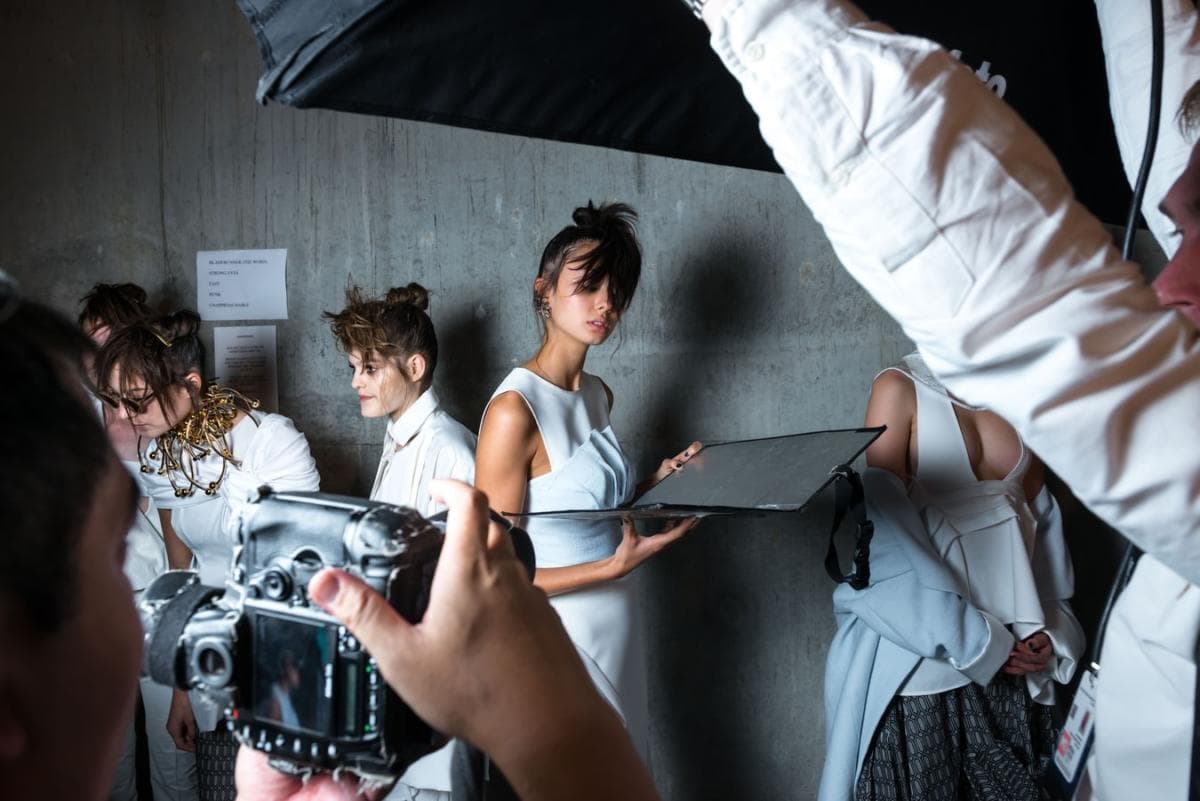
Example: a wedding photographer, a product photographer and a commercial fashion photographer may all own cameras and deliver edited images, but their legal needs differ. The wedding photographer needs clear wedding photography terms, including cancellation, rescheduling and delivery rules. The product photographer needs a license that limits how a brand can use images across ads, packaging and retail channels. The fashion photographer needs releases from models, permissions for stylists, talent release paperwork and location approval that allows portfolio and campaign use.
Client Contracts and Terms of Service for Shoots
Your photography business contract should make the paid booking, creative scope and image usage rights clear before the shoot date is held. It's the document you rely on when expectations change, a client wants more than they purchased or a dispute arises over payment.
A signed contract is usually best for weddings, events, brand shoots, commercial campaigns, headshots, real estate shoots and any custom project with a meaningful fee. Website terms of service can support online bookings and standardized packages, but a project-specific agreement or contract review is safer when the shoot has custom deliverables, unique usage rights, travel, permits or multiple stakeholders.
A strong photography client contract usually covers:
- Parties: identify the client, the photographer or business entity, and any relevant brand, agency, venue or event organizer.
- Scope of services: describe the shoot type, date, time, location, coverage hours, shot list, editing style and included deliverables.
- Booking fee or retainer: state whether it's refundable, when it's due and whether the date is reserved only after payment and signing.
- Payment terms: list the package price, deposit, balance due date, late payment consequences, travel costs, added coverage charges and expenses.
- Rescheduling and cancellation: explain what happens if the client cancels, weather affects the shoot, a venue changes availability or an emergency occurs.
- Client responsibilities: require timely communication, accurate details, access to the venue, cooperation from subjects and any required permissions.
- Creative discretion: confirm that the photographer controls artistic judgment, editing choices and final image selection unless agreed otherwise.
- Image delivery: set expected delivery format, number of edited images, gallery availability, archive period and whether RAW files are included.
- Usage license: define what the client may do with the images, such as personal use, internal business use, website use, social media, paid advertising or print publication.
- Portfolio use: state whether the photographer may display images on a website, social media, awards submissions or sample galleries.
- Limitation of liability: manage exposure for lost files, equipment failure, venue restrictions, third party conduct and delays, subject to applicable law.
- Governing law and dispute process: choose a contract law framework and practical process for resolving disagreements.
The Uniform Commercial Code can apply to some sales of goods, but most photography projects are service contracts with licensing elements. General contract principles will usually decide whether the agreement is enforceable, what the parties promised and what remedies may apply. State law can affect those principles, so the contract shouldn't assume one rule works everywhere.
For photographers, the most common contract gap is image usage. A clause saying the client receives edited digital files isn't the same as a clause saying the client owns the copyright. It also doesn't tell the client whether they can crop the images, add filters, give the files to a magazine, run paid ads, sell products using the images, or sublicense the images to another brand. If the client is paying for commercial use, the contract should state the exact permitted channels, territory, duration, exclusivity, editing rights and any credit requirements.
RAW files should be addressed directly. Many photographers don't deliver RAW files because they're unfinished source materials, can be misused, and may not reflect the final creative product. If you never provide RAW files, say so in the contract. If you may provide them for an added fee or for commercial clients only, set out the conditions and confirm whether the client receives ownership or only limited access.
Contracts also help with client behavior at events. A wedding or event contract can deal with meal breaks, unsafe conditions, guest interference, restrictions imposed by the venue, and missed shots caused by delays outside the photographer's control. For brand and product shoots, the contract can state who approves the shot list, who provides products and props, who checks proofs, and how many revision rounds are included.
The aim isn't to make the client relationship difficult. It's to make the booking clear enough that the photographer can perform the work, get paid, and control how the images are used after delivery.
Copyright Ownership and Image Licensing
Copyright is one of the most important legal issues for photography businesses. In general, copyright can protect an original photograph from the moment it's created and fixed in a tangible medium. That protection can cover copying, distribution, display, adaptation and certain other uses of the image.
For many independent photography businesses, the starting position is that the photographer owns the copyright in the images they create, unless there's a written assignment or a legally valid work made for hire arrangement. Clients often assume that paying for a shoot means they own the photos outright. In many situations, they're actually buying photography services plus a license to use the finished images in specific ways.
This distinction matters. If you keep copyright and grant a license, you can control how the images are used and charge more for broader use. A family portrait client might receive a personal use license to print, share and display images for noncommercial purposes. A restaurant might receive a license to use food images on its website and social media. A national brand may need broader commercial rights for advertising, packaging, retail displays and third party platforms.
A useful image license should answer these questions:
- Who can use the images? The client only, or related brands, agencies, publications and vendors?
- What can they use them for? Personal sharing, internal use, website content, social media, paid ads, print materials, packaging, resale products or editorial publication?
- Where can they use them? Locally, nationally, internationally or only in specified channels?
- How long does the license last? A fixed campaign period, a number of years or ongoing use?
- Is it exclusive? Can the photographer license similar or the same images to others, or does the client need exclusivity?
- Can the client edit the images? Cropping and resizing may be allowed, while heavy retouching, filters or AI style edits may need approval.
- Can the client transfer the license? If a marketing agency, publisher or partner wants to use the files, the contract should say whether that's permitted.
Assignments should be treated carefully. A copyright assignment transfers ownership, which may prevent the photographer from reusing or relicensing the image unless rights are reserved. If a client requires ownership, the fee should usually reflect that broader value. The assignment should be in writing and signed, and it should specify whether the photographer keeps any portfolio, archival or self promotion rights.
Work made for hire language also needs care. It isn't enough for a contract to simply label a project as work made for hire if the legal requirements aren't met. If the client expects to own copyright, the contract should be drafted to address ownership clearly, including an assignment fallback if appropriate.
Federal copyright registration is another practical issue. Registration isn't required for copyright to exist, but timely registration can be important if you need to enforce your rights in court. Photographers who license images commercially, sell prints, or regularly find their work copied online may benefit from a registration process that fits their workflow.
Infringement risk runs both ways. Photographers should avoid using music, artwork, logos, client brand assets, third party images or stock elements without the right permissions. If an image includes artwork on a wall, a recognizable product design, a mural, or branded packaging, the photographer may need to consider whether the final use could create copyright, trademark or publicity issues. The more commercial the use, the more important it's to clear permissions early.
Releases, Locations and Permissions
Even if you own the copyright in a photograph, you may not be free to use every image for every purpose. A photo can contain people, private property, trademarks, artwork, confidential business information or venue rules that limit how it can be used. Releases and location permissions help close that gap.
A model release is usually used when an identifiable person appears in images and the photographer or client wants to use those images for marketing, advertising, promotion, stock licensing or other commercial purposes. Rights of publicity and privacy rules are largely based on state law, so requirements can vary. A practical model release should identify the person, describe the permitted uses, cover online and print use, permit reasonable editing, and state whether the release is paid or unpaid.
For events, the release issue can be more complicated because there may be many guests. A photographer may not be able to obtain individual releases from every person at a wedding, conference or public event. The client contract should allocate responsibility for notifying attendees, securing permissions where needed, and telling the photographer if someone must not be photographed or published. Signage, registration terms and event communications can help, but the approach should match the intended use of the images.
Property releases and location permissions are also important. A privately owned home, hotel, venue, studio, store, restaurant, museum or office may have rules about photography and commercial use. Permission to enter or take pictures isn't always permission to use images in ads. Written location approval should state when and where you can shoot, whether lighting or equipment is allowed, whether staff or customers may appear, whether images may be used commercially, and whether the venue wants credit or approval rights.
Public locations can still have rules. Parks, transit areas, streets, landmarks, government buildings and controlled event spaces may require permits for professional shoots, tripods, lights, drones, large crews or commercial activity. Permit requirements may come from state or local rules, venue policies or property managers. If a shoot depends on a permit, the client contract should say who obtains it, who pays for it and what happens if it's denied or delayed.
Brand shoots often involve additional permissions. A product company may ask you to photograph models, rented locations, props, packaging, logos, artwork and other creative assets. The production should identify who is responsible for clearing each element. If the client supplies the products, artwork, claims, labels or brand guidelines, your contract can require the client to confirm they have the right to use those materials and to approve the final context before publication.
Assistant, second shooter and vendor terms should also support your rights. If another photographer captures images for your business, the agreement should address who owns the files, who can edit and deliver them, whether the assistant can use images in a portfolio, confidentiality, credit, fees, equipment expectations and direct contact with your client. Without written terms, you can end up with uncertainty over ownership or public posting.
Privacy practices should be simple but clear. Photography businesses commonly collect names, contact details, addresses, event details, payment information through processors, questionnaire responses and image galleries. If you use inquiry forms, online galleries, email marketing, cloud storage or client management software, your website should explain what information you collect, how you use it, who may receive it and how clients can contact you about privacy requests. You should also use reasonable security practices for galleries, downloads, backups and client communications.
Marketing claims deserve attention too. If you use testimonials, styled shoot images, influencer collaborations or before and after edits, make sure the presentation isn't misleading. Paid collaborations and material connections should be disclosed in a clear way. Portfolio captions shouldn't imply that a styled shoot was a real client event or that a brand hired you if that isn't accurate.
FAQs
Do I need a contract for every photography booking?
For paid work, a written contract is usually the safest approach. A simple portrait session may only need short booking terms, while weddings, events and commercial projects usually need a more detailed agreement. The key is to cover payment, cancellation, deliverables, editing, delivery timing, client responsibilities and image usage before the date is reserved.
Who owns the copyright in photos taken for a client?
In many independent photography arrangements, the photographer owns the copyright unless there's a written assignment or a valid work made for hire arrangement. The client may receive a license to use the finished images. If the client expects ownership, that should be clearly documented and priced accordingly.
Do I need a model release for portfolio use?
It depends on the image, the person, the context and applicable state law. If you want to use identifiable people in marketing, advertising, portfolio pages, social media or award submissions, getting a written release is a sensible step. Some clients may want privacy restrictions, so the client contract should also address whether portfolio use is allowed.
What if a venue says I cannot use images from a shoot?
Venue rules can matter, especially for private property, restricted locations and commercial use. Before the shoot, confirm whether photography is allowed and whether the images can be used for the intended purpose. If venue approval is required, put responsibility for securing that approval in the client contract or obtain a written location release.
What should I do if someone uses my photo without permission?
Start by gathering evidence, including screenshots, URLs, dates and copies of your original files. Check your license history to confirm whether the use was authorized. Depending on the situation, you may consider a takedown request, a licensing demand, settlement discussions or formal enforcement steps. Copyright registration can affect the options available.
Key Takeaways
- A photography business should have written client terms covering scope, payment, cancellation, delivery, RAW files, creative control and usage rights.
- Copyright ownership and image licenses should be clear, especially for commercial clients who want advertising, packaging, publication or exclusive rights.
- Model releases, property releases and location permissions help manage privacy, publicity, venue and commercial use issues.
- Business names, logos, testimonials, portfolio claims and paid collaborations should be handled carefully to avoid brand and advertising problems.
- Assistant and second shooter agreements should address ownership, confidentiality, portfolio use, fees and client contact.
- Privacy practices for inquiries, galleries, downloads and client information should be explained and supported by reasonable security steps.
If you need help setting up legal documents for your photography business, including client contracts, wedding photography terms, image licenses, model releases, location permissions, copyright ownership clauses and privacy terms, readers can reach our team on (888) 449-8437 or team@sprintlaw.com. Where legal services are required, they're provided by licensed US lawyers at ElevateNext US, LLC, a trusted US law firm, through the Sprintlaw platform.
Drafted by Taylor, Sprintlaw's AI, and overseen by Alex Solo. How we write

Alex SoloCo-Founder