
Alex is Sprintlaw's co-founder and a legal technology leader. He holds law and media degrees from the University of Sydney and has been recognized by Australasian Lawyer, Lawyers Weekly and the Sydney Young Entrepreneur Awards for his work building Sprintlaw and improving access to business legal support.
Contents
Launching a promotional giveaway or sweepstakes is a proven way for US startups and small businesses to attract attention, grow their audience, and reward loyal customers. But many founders and operators overlook the legal requirements that apply to these promotions. Common mistakes include missing required disclosures, not offering a free entry method, or failing to clarify eligibility. These errors can lead to regulatory fines, customer complaints, or even lawsuits. This guide provides a detailed sweepstakes official rules checklist for US small businesses, focusing on what you need to include in your terms of service, federal and state law requirements, and practical examples. Whether you are running a simple Instagram giveaway or a nationwide sweepstakes, this article will help you avoid costly mistakes and protect your business.
Why Sweepstakes Official Rules Are Critical
Sweepstakes, giveaways, and contests are not just fun marketing opportunities, they are regulated promotions. The official rules are a binding contract between your business and every entrant. These rules spell out who can enter, how to participate, what the prizes are, and how disputes will be handled. If your rules are unclear or incomplete, you risk regulatory action, negative publicity, and disputes with winners or entrants.
At the federal level, the Federal Trade Commission (FTC) enforces rules around advertising, endorsements, and consumer protection. State laws can add extra requirements, especially for promotions open to residents of multiple states. Some states, like New York and Florida, require registration and bonding for certain sweepstakes. Industry-specific rules may also apply, especially if your promotion involves alcohol, tobacco, or other regulated products.
Clear, accurate, and accessible official rules help you:
- Comply with federal and state laws
- Set expectations for entrants
- Limit your liability
- Resolve disputes more efficiently
Failing to publish proper rules can result in regulatory fines, forced cancellation of your promotion, or legal claims from unhappy entrants. That is why every US business running a sweepstakes should follow a strong checklist for drafting and publishing their terms of service.
Federal Sweepstakes Requirements: The Baseline
At the federal level, there is no single law that governs sweepstakes, but several key principles apply, mainly enforced by the FTC. Here is what every US business should know:
- No Purchase Necessary: Sweepstakes (games of chance) must not require a purchase or payment to enter. Requiring a purchase can turn your sweepstakes into an illegal lottery under federal and state law.
- Clear and Conspicuous Disclosures: All material terms, including eligibility, entry methods, prize descriptions, and odds of winning, must be clearly disclosed to entrants before they participate.
- Truthful Advertising: All advertising and promotional materials must be truthful and not misleading. The FTC can take action against deceptive claims about the promotion or prizes.
- Endorsement and Influencer Rules: If you use influencers or endorsements to promote your giveaway, the FTC requires clear disclosure of material connections. Influencers must state when they are paid or incentivized to promote your sweepstakes.
- Privacy and Data Collection: If you collect personal information from entrants, you must comply with applicable privacy laws and disclose how you will use and protect that data.
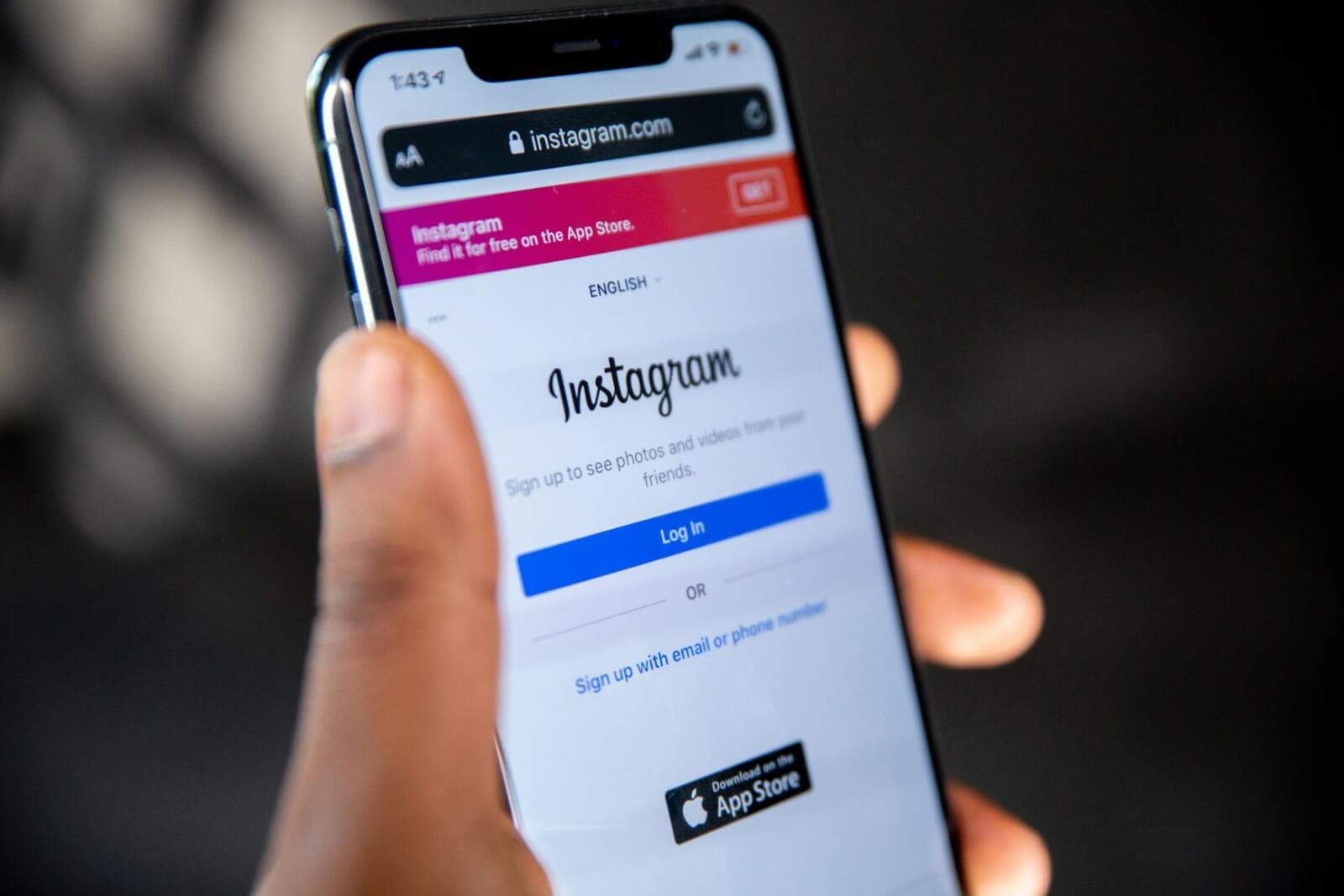
For example, if you run a sweepstakes on Instagram and require users to follow your account and tag a friend, you must still provide official rules that are accessible from your post. If you use an influencer to promote the giveaway, their posts must include a clear disclosure such as "Sponsored by [Your Business]" or "#ad." If you collect email addresses, you must explain how you will use them and provide a privacy policy.
These federal requirements apply to all sweepstakes and giveaways, regardless of where your business is located. However, they are only the starting point. State laws and industry rules can add additional layers of compliance.
State Law Traps and Industry Caveats
Many US sweepstakes and contests are open to residents of multiple states. State laws can differ significantly, and failing to account for these differences is a common mistake. Here are some key state-specific and industry-specific issues to consider:
- Registration and Bonding: States like New York, Florida, and Rhode Island require registration and bonding for certain sweepstakes with prizes over a set value (often $5,000). For example, if you run a national giveaway with a $10,000 prize, you must register and post a bond in these states before launching. If you do not want to deal with registration, you can exclude residents of these states, but you must say so in your rules.
- Eligibility Restrictions: Some states restrict participation by minors, residents of certain states, or employees of the sponsor. For example, California allows minors to enter certain contests with parental consent, but other states may not. Your rules should clearly state who is eligible to enter and any exclusions.
- Void Where Prohibited: Many businesses include a "void where prohibited" clause to avoid offering the sweepstakes in states where it is not legal. This is especially important for promotions involving alcohol, firearms, or other regulated products. For example, a wine retailer running a sweepstakes should exclude states where alcohol giveaways are prohibited.
- Mail-in Entry Requirements: Some states require a free, alternative method of entry (AMOE), such as a mail-in entry, to ensure that no purchase is necessary. For example, if your primary entry method is an online purchase, you must also allow entry by mail without purchase. Your rules should explain how entrants can participate without buying anything.
- Prize Tax Reporting: If you award prizes valued at $600 or more, you may be required to report the winnings to the IRS and issue a Form 1099 to the winner. Some states have additional tax reporting requirements. For example, in California, you must also comply with state tax reporting for prizes over certain thresholds.
- Industry-Specific Rules: Promotions involving alcohol, tobacco, firearms, or cannabis are subject to additional restrictions. For example, alcohol giveaways are prohibited in some states, and federal law prohibits mailing alcohol as a prize. Always check industry-specific rules before launching your promotion.
Always review the laws of each state where your sweepstakes will be open. If you are unsure, consider limiting eligibility to certain states or consulting with a qualified attorney for a legal review. Having clear contracts in place can also help you manage compliance and reduce risk.
Practical Example: Suppose you are a Texas-based startup running a national sweepstakes for a $7,000 tech gadget. You plan to accept entries from all 50 states. You would need to register and post a bond in New York and Florida, and possibly Rhode Island, before launching. If you want to avoid registration, your official rules should state that the sweepstakes is not open to residents of those states.
Sweepstakes Official Rules Checklist: What to Include
Every sweepstakes or giveaway should have a set of official rules that are easy to find and understand. Here is a practical checklist of what to include, with examples and explanations for each point:
- Sponsor Information: Clearly state the name, address, and contact information of the business running the promotion. Example: "Sponsored by Acme Widgets, 123 Main St, Dallas, TX 75001."
- Eligibility: Specify who can enter (age, residency, exclusions for employees or family members, etc.). Example: "Open to legal residents of the 48 contiguous United States, age 18 or older. Employees, contractors, and immediate family members of the sponsor are not eligible."
- Entry Period: List the start and end dates and times for entries, including the time zone. Example: "Entries accepted from June 1, 2024 at 12:01 AM CT to June 30, 2024 at 11:59 PM CT."
- How to Enter: Explain all methods of entry, including any free alternative methods (such as mail-in entries). Example: "To enter, complete the online form at [website] or mail a 3x5 card with your name and address to the sponsor's address above."
- No Purchase Necessary: Clearly state that no purchase is required to enter or win. Example: "No purchase necessary. A purchase will not increase your chances of winning."
- Prize Details: Describe each prize, its approximate retail value (ARV), and any restrictions or conditions. Example: "One winner will receive a TechPro Laptop (ARV $1,200). Prize is non-transferable and no cash alternative is available."
- Winner Selection and Odds: Explain how winners will be chosen (random drawing, judging criteria), when winners will be selected, and the odds of winning. Example: "Winner will be selected by random drawing from all eligible entries on July 5, 2024. Odds depend on the number of entries received."
- Notification and Verification: State how winners will be notified, how long they have to respond, and what happens if they do not claim the prize. Example: "Winner will be notified by email within 5 business days. If the winner does not respond within 7 days, an alternate winner may be selected."
- Publicity Release: Include a clause stating whether winners must agree to the use of their name, likeness, or entry for promotional purposes. Example: "By accepting the prize, the winner agrees to allow the sponsor to use their name and likeness for promotional purposes without additional compensation, except where prohibited by law."
- General Conditions: Cover grounds for disqualification, right to cancel or modify the promotion, and any other important terms. Example: "Sponsor reserves the right to disqualify any entry that is incomplete or violates these rules. Sponsor may cancel or modify the sweepstakes if fraud or technical failures compromise its integrity."
- Privacy Policy: Reference your privacy policy and explain how entrant data will be used. Example: "Personal information collected will be used solely for the administration of the sweepstakes and in accordance with the sponsor's privacy policy."
- Limitation of Liability: Limit your liability for technical problems, lost entries, or other issues beyond your control. Example: "Sponsor is not responsible for lost, late, or misdirected entries, or for technical failures of any kind."
- Dispute Resolution: State how disputes will be handled (arbitration, venue, governing law, etc.). Example: "Any disputes arising from this sweepstakes will be resolved under the laws of the State of Texas."
- Void Where Prohibited: Make clear that the sweepstakes is void in states or jurisdictions where it is not legal. Example: "Void where prohibited by law, including residents of New York, Florida, and Rhode Island."
- Winner List: Explain how entrants can obtain a list of winners, if required. Example: "For a list of winners, send a self-addressed, stamped envelope to the sponsor's address within 60 days of the end of the sweepstakes."
Keep your rules concise, in plain language, and easy to access, ideally linked from every entry page or promotional post. If you are running a social media giveaway, make sure the rules are available via a link in your bio or post. Consider how your digital marketing and advertising practices align with these requirements to ensure full compliance.
Checklist for Publishing Your Rules:
- Post the full official rules on your website or a dedicated landing page
- Link to the rules from every entry form, social media post, or ad
- Ensure all staff and partners promoting the sweepstakes understand the rules
- Keep a copy of the rules and all promotional materials for your records
Common Mistakes and How to Avoid Them
Even well-intentioned businesses can make costly mistakes when running a sweepstakes. Here are some of the most frequent errors, with examples and tips to avoid them:
- Requiring a Purchase to Enter: This can make your sweepstakes an illegal lottery. Always provide a free method of entry. For example, if you require a purchase for online entry, also allow mail-in entries with no purchase.
- Missing or Incomplete Rules: Failing to publish clear official rules can lead to disputes and regulatory action. Use the checklist above as a starting point, and review your rules for completeness.
- Ignoring State Registration: If your promotion is open to residents of states like New York or Florida and the prize value exceeds the threshold, you may need to register and post a bond. If you do not want to register, exclude those states in your rules.
- Unclear Winner Selection: Not explaining how winners are chosen can lead to accusations of unfairness or favoritism. Always specify the selection method and timing.
- Overpromising Prizes: Advertising prizes you cannot deliver or exaggerating their value can trigger FTC enforcement for deceptive advertising. Only offer prizes you can provide, and state their actual value.
- Not Disclosing Influencer Relationships: If you use influencers, they must clearly disclose their relationship with your business in every post or story about the giveaway. For example, "Thanks to [Brand] for sponsoring this giveaway!"
- Neglecting Privacy Laws: Collecting entrant data without a privacy policy or failing to explain how data will be used can violate privacy laws and erode trust. Always reference your privacy policy in the rules.
- Failing to Limit Eligibility: Not specifying age, residency, or other eligibility requirements can open your sweepstakes to unintended audiences or legal risks. For example, allowing minors to enter without parental consent can create liability.
- Not Preparing for Disputes: Without a dispute resolution clause, you may face costly and public legal battles if something goes wrong. Specify how and where disputes will be resolved.
Example of a Common Mistake: A business runs a sweepstakes open to all US residents, with a $6,000 prize. They forget to register in New York and Florida, and a winner from New York complains to the state attorney general. The business faces fines and must cancel the promotion. This could have been avoided by excluding those states or registering in advance.
To avoid these pitfalls, use a written checklist, review your rules for clarity, and consider a legal review for higher-value or multi-state promotions. Professional help with your Promotional Giveaway Terms of Service can reduce the risk of these common errors.
FAQs
What is the difference between a sweepstakes and a contest?
A sweepstakes is a promotion where winners are chosen by chance, and no skill is required. A contest typically involves some element of skill or judging (such as a photo or essay contest). Sweepstakes must not require a purchase to enter, while contests can sometimes require entry fees if skill is the primary factor. For example, a random drawing for a gift card is a sweepstakes, while a judged baking competition is a contest.
Do I need to register my sweepstakes in every state?
No, but some states require registration and bonding for certain sweepstakes, especially those with prizes valued over $5,000. New York, Florida, and Rhode Island are the most notable. If your sweepstakes is open to residents of these states, you may need to register before launching. For smaller or local promotions, registration is often not required, but always check the rules for each state where you accept entries. If you want to avoid registration, you can make your sweepstakes void in those states.
Can I run a giveaway on social media?
Yes, but you must still comply with all federal and state laws, and follow the platform's own rules. For example, Instagram and Facebook require that you release them from liability and make clear that your promotion is not sponsored by the platform. Always provide a link to your official rules and ensure that all disclosures are clear and conspicuous. For example, include "This giveaway is not sponsored by Instagram" in your post.
What if I want to limit my sweepstakes to certain states?
You can restrict eligibility to residents of specific states to avoid complicated state requirements. Make this limitation clear in your official rules and promotional materials. Add a "void where prohibited" clause to ensure you are not unintentionally violating state laws where sweepstakes are restricted. For example, "Open only to residents of Texas and California. Void where prohibited."
When should I get an attorney to review my sweepstakes rules?
Consider legal review if your promotion is open to multiple states, involves high-value prizes, targets regulated industries (like alcohol), or if you are unsure about state registration or bonding requirements. An attorney can help you identify risks and ensure your rules comply with all relevant laws. For example, if you plan to run a national sweepstakes with a $10,000 prize, legal review is strongly recommended.
Key Takeaways
- Official rules are a legal contract and must be clear, accurate, and accessible to all entrants.
- Federal requirements include no purchase necessary, truthful advertising, and proper disclosures.
- State laws can add registration, bonding, and eligibility requirements, especially for high-value or multi-state sweepstakes.
- Always include key terms such as eligibility, entry methods, prize details, winner selection, and dispute resolution.
- Common mistakes include missing rules, requiring a purchase, and failing to comply with influencer or privacy regulations.
- Consider attorney review for complex, high-value, or multi-state promotions to reduce legal risk.
Running a promotional giveaway can boost your business, but it comes with legal responsibilities. If you need help drafting or reviewing your sweepstakes official rules checklist, contact our team at (888) 449-8437 or team@sprintlaw.com. Where legal services are required, they are provided by licensed US lawyers at ElevateNext US, LLC, a trusted US law firm, through the Sprintlaw platform.
Set the official rules before launch
Ready to document the promotion?
Eligibility, entry, prize, publicity, platform and state-law requirements should be resolved before entries open.
Promotional giveaway termsDocument entry, eligibility, winner selection, prize and platform terms.Sweepstakes official rulesPrepare rules for a US sweepstakes, including material state-specific issues.Get a fixed-fee quoteTell us what you need. Our team will review your enquiry and send a clear fixed-fee quote before any work starts.