
Alex is Sprintlaw's co-founder and a legal technology leader. He holds law and media degrees from the University of Sydney and has been recognized by Australasian Lawyer, Lawyers Weekly and the Sydney Young Entrepreneur Awards for his work building Sprintlaw and improving access to business legal support.
Contents
Whether you are running a catering business, planning a wedding, or organizing a corporate event, a written catering agreement is essential. Many business owners and event planners reach for a catering agreement template to save time and money. However, using a generic template can expose you to risks that may not be obvious until a problem arises. Common issues include unclear payment terms, missing cancellation policies, or failure to address state-specific laws. If a dispute occurs, such as a last-minute cancellation, food safety concern, or disagreement over services, an incomplete or vague contract can make it difficult to resolve the issue or protect your interests.
This guide explains the difference between using a catering agreement template and having a contract custom-drafted for your needs. We cover what a catering agreement should include, the most common mistakes with templates, and how state laws and industry rules can impact your contract. You will also find practical examples, checklists, and tips to help you decide when a template is enough and when it is worth investing in a custom agreement or legal review.
What Is a Catering Agreement?
A catering agreement is a contract between a caterer and a client (such as an event organizer, business, or individual) that sets out the terms for providing food and related services. The agreement typically covers details like the menu, pricing, timing, staffing, equipment, and responsibilities of each party. It is designed to clarify expectations and reduce the risk of misunderstandings or disputes.
There is no single federal law governing catering agreements. Instead, these contracts are generally governed by state contract law. This means that the enforceability of certain terms, cancellation rights, and remedies for breach can vary depending on your state. In addition, food safety regulations, alcohol service rules, and local business licensing requirements may also affect what needs to be in your agreement.
For example, if your event is in California, you may need to address specific health code requirements or alcohol permits that would not apply in Texas or New York. A template may not account for these local variations, which can create risk if you are not careful. In New York, for example, the law may require more detailed disclosures about food allergens, while in Texas, alcohol service at private events is subject to different permitting rules. Failing to address these issues in your contract can lead to fines or even event shutdowns.
In addition, some venues have their own requirements for caterers, such as proof of insurance or specific cleanup procedures. If your agreement does not address these venue requirements, you may find yourself in breach of contract with the venue or facing unexpected costs.
Key Terms Every Catering Agreement Should Cover
Whether you use a template or draft a custom contract, certain terms should always be included in a catering agreement. Missing or vague terms are a common source of disputes. Here is a practical checklist of what to include, along with examples and state-specific caveats:
- Parties: Full legal names and contact details of the caterer and client. Example: "ABC Catering LLC, 123 Main St, Springfield, IL, and Jane Smith, 456 Oak Ave, Springfield, IL."
- Event Details: Date, time, location, and type of event. Example: "Wedding reception on June 12, 2024, from 5 pm to 11 pm at The Grand Ballroom, Chicago, IL."
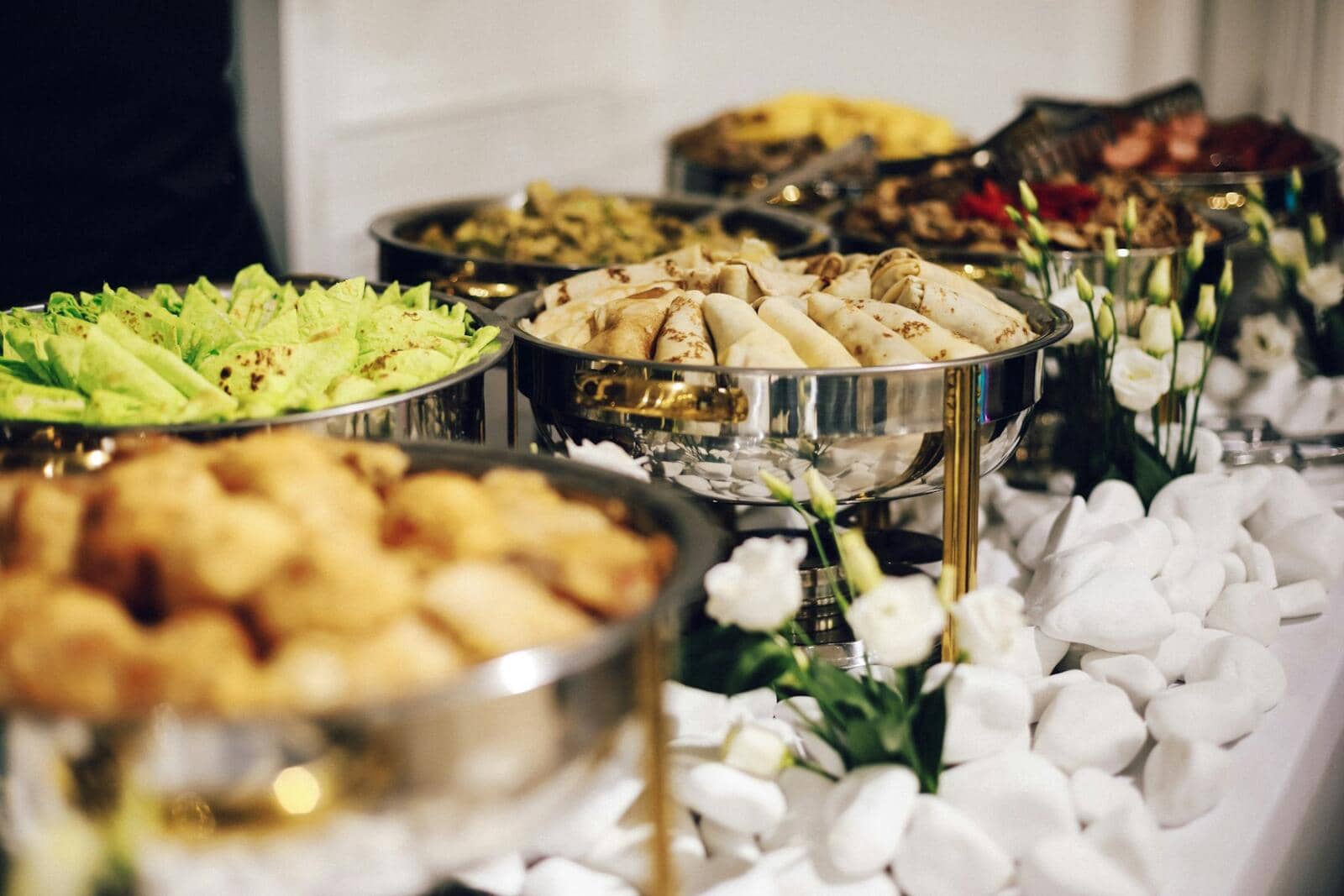
- Menu and Services: Specific menu items, dietary restrictions, service style (buffet, plated, etc.), and any additional services (bartending, rentals, setup/cleanup). Example: "Buffet dinner with vegetarian and gluten-free options; bartender service for beer and wine." In California, you may need to specify how you handle food allergens due to stricter state disclosure rules.
- Pricing and Payment: Itemized pricing, deposit amount, payment schedule, and acceptable payment methods. Example: "Total fee: $5,000. 25% deposit due on signing, balance due 7 days before event. Payments by check or ACH transfer." In some states, consumer protection laws may require clear disclosure of refund policies.
- Changes and Cancellations: Policy for changes to guest count, menu, or timing; cancellation terms and any applicable fees. Example: "Client may reduce guest count up to 7 days before event; cancellations within 14 days of event forfeit deposit." In New York, cancellation policies must be clear and conspicuous to be enforceable.
- Staffing: Number and type of staff provided, dress code, and responsibilities. Example: "Caterer will provide 4 servers and 1 chef, all in formal attire."
- Equipment and Rentals: What equipment is provided by the caterer and what must be supplied by the client or venue. Example: "Caterer provides chafing dishes and serving utensils; client provides tables and chairs."
- Food Safety and Allergies: Procedures for handling allergies, food safety standards, and any required permits or licenses. Example: "Caterer is licensed by the state of Texas and will label all dishes containing nuts."
- Alcohol Service: If alcohol is served, who is responsible for permits and compliance with state/local laws. Example: "Caterer will obtain temporary alcohol permit for event; client is responsible for ensuring all guests are over 21." Note: In some states, only licensed vendors can serve alcohol, and liability for overserving may be strict.
- Liability and Insurance: Who is responsible for property damage, injuries, or foodborne illness; insurance requirements. Example: "Caterer maintains $1 million in general liability insurance; client responsible for damage to venue outside catering area." In some venues, proof of insurance is required before the event.
- Force Majeure: What happens if the event is canceled due to circumstances beyond anyone's control (weather, government orders, etc.). Example: "Neither party liable for cancellation due to acts of God, government shutdowns, or natural disasters; deposit refunded minus non-recoverable costs."
- Dispute Resolution: How disputes will be resolved (mediation, arbitration, court jurisdiction). Example: "Any dispute arising from this agreement will be resolved by binding arbitration in Dallas County, Texas." Some states restrict mandatory arbitration clauses for consumer contracts.
Templates often include some of these terms, but may leave out important details or use language that is too generic to be enforceable in your state or for your specific event. For example, a template may say "payment due before event," but not specify how much, when, or what happens if payment is late. This can lead to confusion and disputes.
Common Risks with Catering Agreement Templates
Templates can be a good starting point, but they are not one-size-fits-all. Here are some of the most common risks when using a generic catering agreement template, with practical examples and state law caveats:
- Missing State-Specific Requirements: Templates may not address state or local laws, such as food handler certifications, alcohol permits, or health code disclosures. Example: In California, failure to include allergen disclosure language could result in fines or liability if a guest has a reaction.
- Ambiguous Terms: Vague language about menu changes, staffing, or cancellation can lead to confusion and disputes. Example: A template might state "menu subject to change," but not clarify how changes are approved or if there are additional costs.
- No Clear Remedies for Breach: If the contract does not specify what happens if one party fails to perform, you may have limited options for recovery. Example: If the caterer cancels last minute, is the client entitled to a refund, damages, or only the deposit back?
- Inadequate Insurance or Liability Clauses: Many templates do not address who is responsible for injuries, property damage, or foodborne illness, leaving both parties exposed. Example: If a guest slips on a spilled drink, who is liable? If the contract is silent, state law will decide, which may not favor your business.
- Unclear Payment Terms: If payment schedules, deposits, or refund policies are not spelled out, you could face cash flow problems or disputes over money owed. Example: A client disputes a late fee because the contract did not specify when payment was due.
- Overly Broad or Unenforceable Clauses: Some templates include blanket waivers or restrictions that may not be enforceable under your state law. Example: A clause that says "caterer is not liable for any damages" is unlikely to be enforceable in most states, especially for gross negligence or health code violations.
Another risk is that templates may not reflect your actual business practices or the unique needs of your event. For instance, if you offer specialty services like vegan catering, food trucks, or mobile bartending, a generic template may not address the specific risks or requirements involved. If your business operates in multiple states, a single template may not comply with all relevant laws.
Common mistakes include:
- Failing to update the template for each event, leading to incorrect dates, locations, or menu items.
- Leaving out required disclosures for alcohol service or food allergens.
- Not specifying who is responsible for permits or insurance.
- Using language that is too broad or too vague to be enforceable.
- Relying on oral agreements or email chains instead of a signed written contract.
These mistakes can lead to financial loss, regulatory penalties, or damaged business relationships. For example, if your template does not specify a refund policy and a client cancels due to a family emergency, you may be forced to refund the deposit even if you have already incurred costs.
When Is Custom Drafting Worth It?
Custom drafting means having a contract tailored to your specific business, event, and state law requirements. While it can cost more upfront, it often saves money and stress in the long run by reducing the risk of disputes or regulatory problems. Here are situations where custom drafting or legal review is especially valuable, with practical examples:
- Large or High-Value Events: If the event budget is significant, the risk of loss is higher and a custom agreement is recommended. Example: A corporate gala for 500 guests with a $50,000 catering budget should not rely on a generic template.
- Complex Services: If you provide services beyond standard catering (such as alcohol service, specialty rentals, or entertainment), a tailored contract can address these extras. Example: Providing a full bar with signature cocktails and live chef stations requires detailed terms about staffing, licensing, and liability.
- Special Dietary or Health Concerns: If your event involves guests with allergies, religious dietary needs, or other health issues, custom terms can clarify responsibilities and procedures. Example: A kosher wedding may require certification and special handling procedures that must be spelled out in the contract.
- Multiple Vendors or Subcontractors: If you coordinate with other vendors (florists, venues, entertainers), your agreement should clarify who is responsible for what. Example: If the venue provides tables and the caterer provides linens, the contract should specify who sets up and who is liable for damages.
- Unique Venues or Locations: Outdoor events, private homes, or unusual venues may have special requirements that a template will not cover. Example: A beach wedding may require special permits, generators, or insurance coverage for weather-related cancellations.
- State or Local Compliance: If your business operates in multiple states or cities, or if you are unsure about local laws, custom drafting can help ensure compliance. Example: A caterer serving events in both New York and another state will need to address different sales tax rules and alcohol licensing requirements.
Even if you start with a template, having an attorney review and adapt the agreement to your situation can help catch hidden risks and ensure your contract is enforceable. A legal review can also ensure your catering agreement aligns with your business sales process and protects your interests. For example, an attorney can help you add a clause that limits your liability to the amount paid under the contract, which may be enforceable in some states but not others.
Custom drafting is also valuable if you have had past disputes or want to update your agreement based on lessons learned. For example, if a previous client disputed a late fee because your contract was unclear, you can update your agreement to specify exactly when payment is due and what penalties apply.
Checklist: Reviewing or Customizing Your Catering Agreement
Before you sign or send out a catering agreement, use this checklist to reduce risk:
- Confirm all event details are accurate and complete, including date, time, location, and number of guests.
- Check that menu items, dietary restrictions, and service style are clearly described and match what was discussed with the client.
- Review payment terms, deposits, and refund policies for clarity and fairness. Specify due dates, amounts, and acceptable payment methods.
- Ensure cancellation and change policies are specific and realistic. Include deadlines and any fees or penalties.
- Verify insurance and liability clauses reflect your actual coverage and responsibilities. Attach a certificate of insurance if required by the venue.
- Address food safety, allergy procedures, and alcohol service (if applicable). Include any required state or local disclosures.
- Include a clear dispute resolution process and specify which state law applies. Avoid mandatory arbitration clauses if your state restricts them.
- Make sure the agreement is signed by authorized representatives of both parties. Do not rely on oral agreements or unsigned drafts.
- Keep a copy of the signed contract and any amendments or communications in writing. Store these records securely for at least the statute of limitations period in your state (often 3-6 years).
If you are unsure about any term, or if your event has unique features, consider getting a legal review. This is especially important if you operate in a highly regulated state or industry, or if the financial stakes are high. For example, if you are catering an event in Florida during hurricane season, your force majeure clause should address weather-related cancellations and refunds.
Practical tip: After each event, review what worked well and what caused confusion or disputes. Use this feedback to update your agreement for future clients.
FAQs
Is a catering agreement legally binding?
Yes, a catering agreement is generally legally binding if it includes an offer, acceptance, consideration (payment or promise of payment), and clear terms. However, enforceability can depend on state law and whether the contract includes all required disclosures or complies with local regulations. Oral agreements may be enforceable in some cases, but written contracts provide much stronger protection and clarity. For example, in California, certain consumer contracts must be in writing to be enforceable above a certain dollar amount.
Can I use the same catering agreement template for every event?
While you can use a template as a starting point, it is risky to use the exact same agreement for every event. Each event may have different requirements, venues, guest counts, or services. Failing to update the contract for each situation can leave you exposed to disputes or regulatory issues. Always review and adapt the agreement to fit the specific event. For example, a wedding may require different cancellation terms than a corporate lunch.
What happens if there is a dispute over the catering agreement?
If a dispute arises, the first step is to review the agreement for any dispute resolution clause (such as mediation, arbitration, or court jurisdiction). If the contract is silent or unclear, state law will generally determine how the dispute is handled. Having clear, specific terms in your contract makes it easier to resolve disagreements quickly and fairly. For example, if your contract requires mediation before litigation, you may be able to resolve the issue without going to court.
Do I need an attorney to draft or review a catering agreement?
You are not legally required to use an attorney to draft a catering agreement, but legal review is recommended for high-value or complex events, or if you are unsure about state or local requirements. An attorney can help you identify hidden risks, ensure compliance, and adapt the contract to your business needs. This can help prevent costly disputes and protect your reputation.
What should I do if a client asks for changes to my standard agreement?
If a client requests changes, review them carefully and consider how they affect your risk and responsibilities. Do not agree to terms you cannot fulfill or that conflict with your business practices. If the changes are significant or unclear, seek legal advice before signing. For example, if a client wants to reduce your liability for food allergies, make sure you are still complying with state health regulations.
Key Takeaways
- Catering agreement templates can save time, but may not cover state-specific laws or the unique needs of your event or business.
- Missing or vague terms in a template can lead to disputes, financial loss, or regulatory problems.
- Custom drafting or legal review is especially valuable for large, complex, or high-risk events, or if you operate in multiple states.
- Always review your agreement for accuracy, clarity, and compliance with state and local requirements. Update it for each event.
- Keep written records of all agreements, amendments, and communications related to your catering services. Learn from past events to improve your contract.
If you need help reviewing or drafting a catering agreement that fits your business and state requirements, contact our team at (888) 449-8437 or team@sprintlaw.com. Where legal services are required, they are provided by licensed US lawyers at ElevateNext US, LLC, a trusted US law firm, through the Sprintlaw platform.