
Alex is Sprintlaw's co-founder and a legal technology leader. He holds law and media degrees from the University of Sydney and has been recognized by Australasian Lawyer, Lawyers Weekly and the Sydney Young Entrepreneur Awards for his work building Sprintlaw and improving access to business legal support.
Contents
Renting equipment is a practical solution for many US businesses, whether you are a startup leasing laptops, a construction company hiring heavy machinery, or an event organizer sourcing audiovisual gear. But unclear or incomplete commercial equipment hire terms can lead to costly disputes, operational delays, or unexpected liability. Many founders and operators sign rental agreements without fully understanding the risks, the key clauses, or how state law might affect enforceability. This guide answers the most common questions about equipment rental terms, highlights frequent mistakes, and provides practical checklists and examples to help you avoid problems before they start.
What Are Commercial Equipment Hire Terms?
Commercial equipment hire terms are the contractual conditions that apply when a business rents equipment from a supplier or rental company. These terms set out each party's rights and obligations, including what equipment is being provided, for how long, at what price, and under what conditions. Unlike consumer rentals, commercial agreements are often less regulated at the federal level, so the contract terms and state law play a larger role in determining what is enforceable.
Typical equipment rental agreements cover a wide range of items, such as:
- Construction machinery (excavators, loaders, cranes)
- Office equipment (computers, copiers, servers)
- Event gear (lighting, sound systems, stages)
- Vehicles and trailers
- Specialized tools or medical devices
Each type of equipment comes with its own risks and legal considerations. For example, renting a forklift involves different safety and insurance issues than renting a projector. If you are unsure about your obligations or the risks involved, reviewing your contracts with a professional can help you avoid expensive surprises.
Here are two common founder moments:
- Tech startup: A founder signs a 12-month lease for 50 laptops. Six months in, the business pivots and only needs 20. The contract did not allow early return, so the business pays for unused equipment.
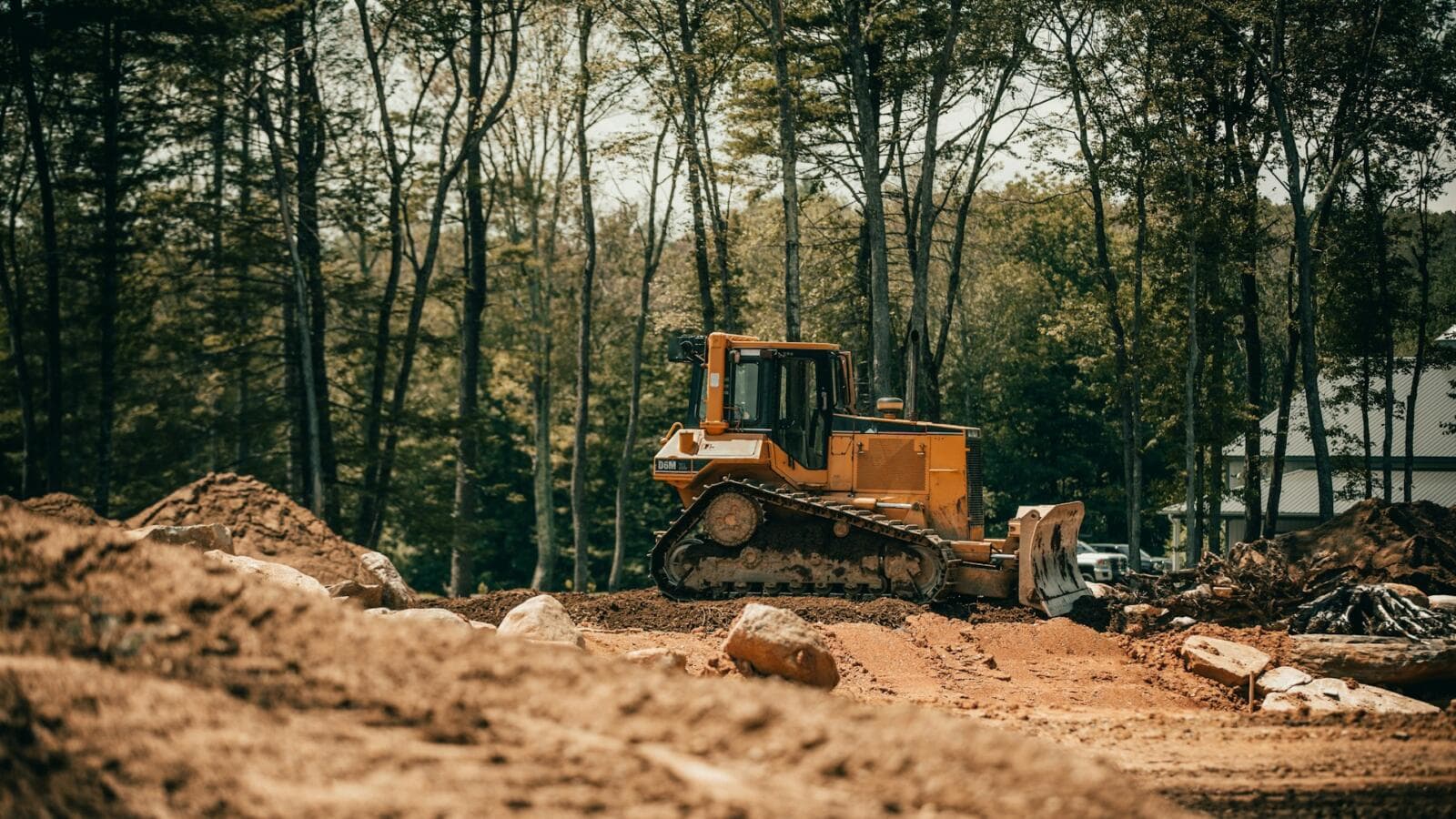
- Construction operator: A company rents a backhoe for a project in Florida. The agreement requires the renter to provide insurance, but the operator assumes the rental company's insurance covers accidents. After a mishap, the business is liable for damages because their own policy did not include rented equipment.
Understanding the scope and details of your rental terms is critical to avoid these scenarios.
Key Clauses to Review in Equipment Rental Agreements
Before signing any equipment rental contract, review these essential clauses. Use this checklist to help you spot potential issues:
- Equipment Description: The contract should clearly identify the equipment, including make, model, serial number, and condition at the start of the rental. Ambiguity can lead to disputes over what was actually provided or returned. For example, if you rent "10 laptops" without specifying the model, you could receive lower-spec devices than expected.
- Rental Period: Confirm the start and end dates, and whether the agreement allows for extensions or early returns. Some contracts automatically renew or impose penalties for late returns. For instance, a contract might state that if equipment is not returned by the due date, the rental automatically extends for another month at a higher rate.
- Payment Terms: Check the rental rate, payment schedule, deposits, and any additional fees (such as delivery, setup, or cleaning). Understand what triggers extra charges, such as excessive wear or damage. Some agreements include hidden fees for cleaning or restocking that can add up quickly.
- Maintenance and Repairs: Clarify who is responsible for routine maintenance, repairs, and servicing during the rental. Some agreements require the renter to cover all maintenance, while others include it in the fee. If you rent a copier, for example, you may be responsible for replacing toner and paper jams unless the contract says otherwise.
- Liability and Insurance: Review who is liable for loss, theft, or damage to the equipment. Many agreements require the renter to carry insurance or pay the replacement value if something goes wrong. If you rent a truck in Texas, you may need commercial auto insurance that specifically covers non-owned vehicles.
- Use Restrictions: Look for clauses limiting how and where the equipment can be used, or who is authorized to operate it. Violating these terms can void insurance or trigger penalties. For example, using a rented generator at an unapproved site could breach the agreement.
- Termination and Default: Understand the grounds for early termination, what happens if either party breaches the agreement, and the process for resolving disputes. Some contracts allow the rental company to repossess equipment immediately if you miss a payment.
It is a common mistake to assume that standard rental contracts are always fair or non-negotiable. Many suppliers use template agreements that favor their interests. Reviewing these clauses and asking questions can help avoid costly misunderstandings. You may want to compare your agreement to industry standards or seek advice on commercial equipment hire terms if you have concerns.
Practical Example: A California event company rents lighting equipment for a festival. The contract says the renter is responsible for "all loss or damage, including acts of God." A storm destroys several lights. Because the contract did not exclude natural disasters, the renter must pay for replacements, even though the loss was outside their control. Always check if force majeure events are covered or excluded.
State Law Issues Affecting Equipment Rental Terms
There is no single federal law governing commercial equipment rentals. Instead, state contract law sets the baseline for what is enforceable in your agreement. Here are key areas where state law can impact your rental terms:
- Contract Formation: Some states require certain terms to be in writing for rental agreements over a certain value or duration. For example, under the Statute of Frauds, a lease of goods over $500 in value must generally be in writing to be enforceable.
- Security Interests: If the rental agreement creates a security interest (such as a right to repossess the equipment), state Uniform Commercial Code (UCC) rules may apply. In most states, the rental company must file a UCC-1 financing statement to perfect their interest if the rental is long-term or could be considered a disguised sale.
- Liability Waivers: States differ on how strictly they enforce waivers of liability or indemnity clauses, especially for gross negligence or willful misconduct. For example, New York courts may refuse to enforce a clause that waives liability for the rental company's own gross negligence, while Texas courts may enforce broader waivers if they are clear and conspicuous.
- Insurance Requirements: Some states mandate minimum insurance coverage for certain types of equipment or activities. For example, vehicle rentals in California require specific minimum liability insurance, while other states may have different rules.
- Consumer Protection Laws: While most business-to-business rentals are not covered by consumer protection statutes, some states extend certain protections to small businesses or sole proprietors. For example, Illinois law sometimes treats single-member LLCs or sole proprietors as consumers for certain contract disputes.
State law can also impact late fees, repossession rights, and notice requirements. For example, some states limit the amount or type of late fees that can be charged, or require the rental company to provide written notice before repossessing equipment.
Checklist:
- Is your agreement in writing and signed by both parties?
- Does the contract comply with your state's Statute of Frauds?
- Are liability waivers and indemnity clauses enforceable in your state?
- Do you need to file a UCC-1 statement for long-term or high-value rentals?
- Are there state-mandated insurance minimums for your type of equipment?
- Does your state limit late fees or require special notice before repossession?
If your business operates in more than one state, or if the equipment will be used in a different state than where your business is based, check which state's law applies. Rental contracts often include a "choice of law" clause, but some states will not enforce these if they conflict with public policy or mandatory local rules.
Example: A another state-based landscaping company rents equipment for a project in Pennsylvania. The contract says state law applies, but Pennsylvania law requires certain safety disclosures for rented landscaping equipment. The business must comply with Pennsylvania's rules, even though the contract says otherwise.
Common Mistakes and How to Avoid Them
Many US businesses run into trouble with equipment rentals due to a few recurring mistakes. Here are some of the most common, with tips on how to avoid them:
- Not Reading the Fine Print: Relying on a verbal agreement or summary can leave you exposed to hidden fees, strict liability, or unfavorable renewal terms. Always read the full contract before signing. For example, a company renting office printers may not realize the contract auto-renews for another year unless they give 60 days' notice.
- Assuming Insurance Covers Everything: Some business insurance policies exclude rented equipment, or only cover certain types of damage. Check both your own policy and the rental agreement's insurance requirements. For example, a standard general liability policy may not cover theft of rented tools from a job site.
- Failing to Document Equipment Condition: Without photos or a written checklist at pickup and return, you may be blamed for pre-existing damage or excessive wear. Always inspect and document the equipment with time-stamped photos and a signed checklist.
- Overlooking Use Restrictions: Using equipment outside the permitted area, for unauthorized purposes, or by untrained staff can void coverage and trigger penalties. For example, letting an unlicensed employee operate a rented forklift may breach both the contract and OSHA regulations.
- Ignoring State-Specific Rules: Not all contract terms are enforceable in every state. For example, some states will not enforce certain indemnity clauses or late fee structures. Always check for state-specific requirements or restrictions.
- Missing Notice Requirements: Many agreements require written notice to extend, terminate, or report issues. Missing these deadlines can result in automatic renewals or extra charges. For example, failing to notify the rental company of a needed repair within 24 hours may make you liable for further damage.
To avoid these pitfalls, use this practical checklist before signing any equipment rental agreement:
- Review all contract terms, including attachments and schedules
- Confirm equipment details and condition at pickup and return
- Understand payment, deposit, and fee structures
- Check your insurance coverage and requirements
- Clarify maintenance, repair, and return procedures
- Ask about state-specific rules or industry standards
- Keep copies of all documents and correspondence
- Set reminders for notice deadlines (extensions, returns, repairs)
Common scenario: An event company in Georgia rents sound equipment for a weekend. The contract requires return by 10 a.m. Monday. Due to traffic, the equipment is returned at noon, and the company is charged for an extra day at double the normal rate. If the operator had checked the late fee structure and negotiated a grace period, the extra cost could have been avoided.
When Should You Seek a Legal Review?
Not every equipment rental agreement requires a full legal review, but there are situations where getting a licensed attorney to review your contract can save time, money, and stress. Consider seeking legal input if:
- The rental involves high-value or mission-critical equipment (for example, medical devices, heavy machinery, or IT infrastructure)
- The agreement includes complex liability, indemnity, or insurance clauses
- You are renting equipment across state lines or in a heavily regulated industry (such as construction, healthcare, or transportation)
- The supplier insists on non-standard terms or refuses to negotiate
- You are unsure about state law requirements or enforceability
- There is a history of disputes with the supplier or in your industry
- You are entering into a long-term or high-value lease (for example, a 3-year lease for a fleet of vehicles)
A legal review can identify hidden risks, clarify your obligations, and suggest changes to protect your business. In some cases, a brief consultation can help you negotiate better terms or avoid signing a contract that exposes you to unnecessary liability.
Example: A healthcare startup in Illinois is leasing diagnostic equipment for a new clinic. The rental contract includes a broad indemnity clause and requires the renter to maintain $5 million in liability insurance. A licensed attorney reviews the agreement and negotiates a lower insurance requirement and limits the indemnity to damages caused by the renter's negligence, not all damages.
Remember, legal services in the United States are provided by licensed attorneys, and state law can affect what is enforceable in your contract. Always check whether your agreement needs a service-specific review, especially if your business is growing or operating in new states.
FAQs
What happens if equipment is damaged during the rental period?
Most equipment rental agreements make the renter responsible for any loss or damage during the rental period, regardless of fault. This means your business may have to pay for repairs or replacement, even if the damage was accidental or caused by a third party. Some agreements allow for normal wear and tear, but this should be defined in the contract. It is important to check whether your business insurance covers rented equipment, and to document the condition of the equipment at both pickup and return. For example, if a rented camera is stolen from a locked car, your insurance may only cover it if you followed all security requirements in the contract.
Can I negotiate the terms of an equipment rental agreement?
Yes, many suppliers are open to negotiating key terms, especially for larger or longer-term rentals. Commonly negotiated points include rental rates, liability limits, maintenance responsibilities, and renewal options. If a supplier refuses to negotiate or uses a one-sided contract, consider whether the risks are acceptable for your business. A legal review can help you identify which terms are most important to negotiate. For example, you may be able to negotiate a cap on liability or a lower deposit for a long-term rental.
Is a verbal equipment rental agreement enforceable?
In most states, a verbal agreement can be legally binding for short-term or low-value rentals, but it is much harder to prove what was agreed if a dispute arises. Many states require written agreements for rentals over a certain value or duration. For business rentals, it is always safest to have a written contract that clearly sets out the terms, equipment details, and each party's obligations. For example, a verbal agreement to rent a $50 hand tool for a day may be enforceable, but a 12-month lease for $10,000 in equipment should always be in writing.
What should I do if I need to extend or terminate the rental early?
Check your contract for notice requirements and any fees for early termination or extension. Many agreements require written notice within a certain timeframe, and may impose penalties or additional charges for changing the rental period. If you need flexibility, try to negotiate these terms before signing the contract. Always keep written records of any changes or correspondence with the supplier. For example, if you need to keep a rented vehicle for an extra week, notify the rental company as soon as possible and confirm the new terms in writing.
Are there industry-specific rules for equipment rentals?
Yes, some industries have additional legal or safety requirements for equipment rentals. For example, construction equipment rentals may be subject to OSHA regulations, and medical device rentals may require compliance with FDA rules. Always check for industry-specific standards or certifications required for the equipment you are renting. If you are unsure, ask the supplier or consult a professional before signing the agreement.
Key Takeaways
- Commercial equipment hire terms set out your rights and obligations when renting equipment for your business.
- Key clauses to review include equipment description, rental period, payment terms, maintenance, liability, and insurance.
- State contract law and industry rules can affect what terms are enforceable in your agreement.
- Common mistakes include not reading the full contract, assuming insurance covers all risks, and overlooking state-specific rules.
- Use practical checklists and document equipment condition to avoid disputes and extra costs.
- Consider a legal review for high-value, complex, or state-sensitive rentals, or if you are unsure about any terms.
If you have questions about commercial equipment hire terms or need a contract reviewed, you can contact our team at (888) 449-8437 or team@sprintlaw.com. Where legal services are required, they are provided by licensed US lawyers at ElevateNext US, LLC, a trusted US law firm, through the Sprintlaw platform. We can help you understand your options and reduce your business risk before you sign.